Car Making a Whining Noise When Accelerating: Causes
Quick answer: A whining noise under acceleration usually points to a loose or worn belt, low power-steering fluid, a failing alternator bearing, transmission trouble, or a differential or wheel bearing problem. A mild sound with normal steering, shifting, and temperature may allow a short drive. Stop if the noise gets worse or warning signs appear.
Start by noticing when the whine happens
Timing and pitch help narrow down the cause. Note whether the sound changes with engine speed, vehicle speed, steering input, or load. A phone recording can help a mechanic hear what you describe, but only record when parked or with a passenger doing it.
If the pitch rises as you press the gas, the engine or a part it drives is the likely source. If the sound follows road speed even when you ease off the gas, check the tires, wheel bearings, differential, or transmission.
Skip revving the engine in traffic or driving fast to test it. A short, gentle drive on a familiar road shows when the sound starts, changes, or stops.
Likely causes by sound and timing
Whine mainly while accelerating
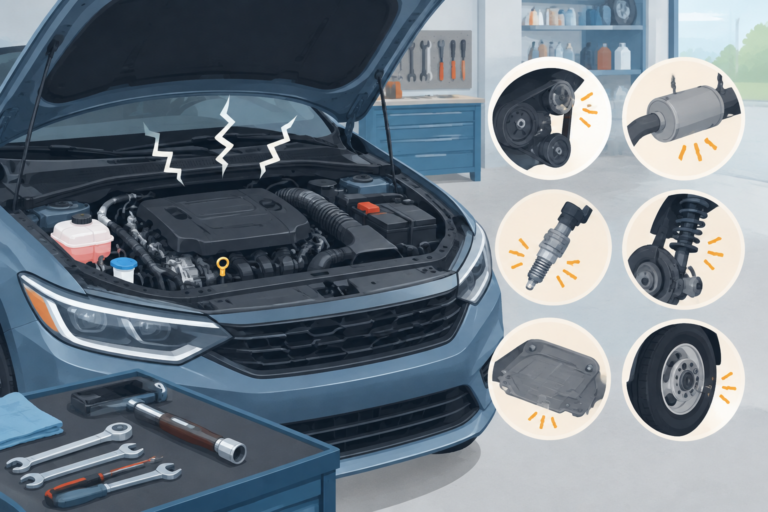
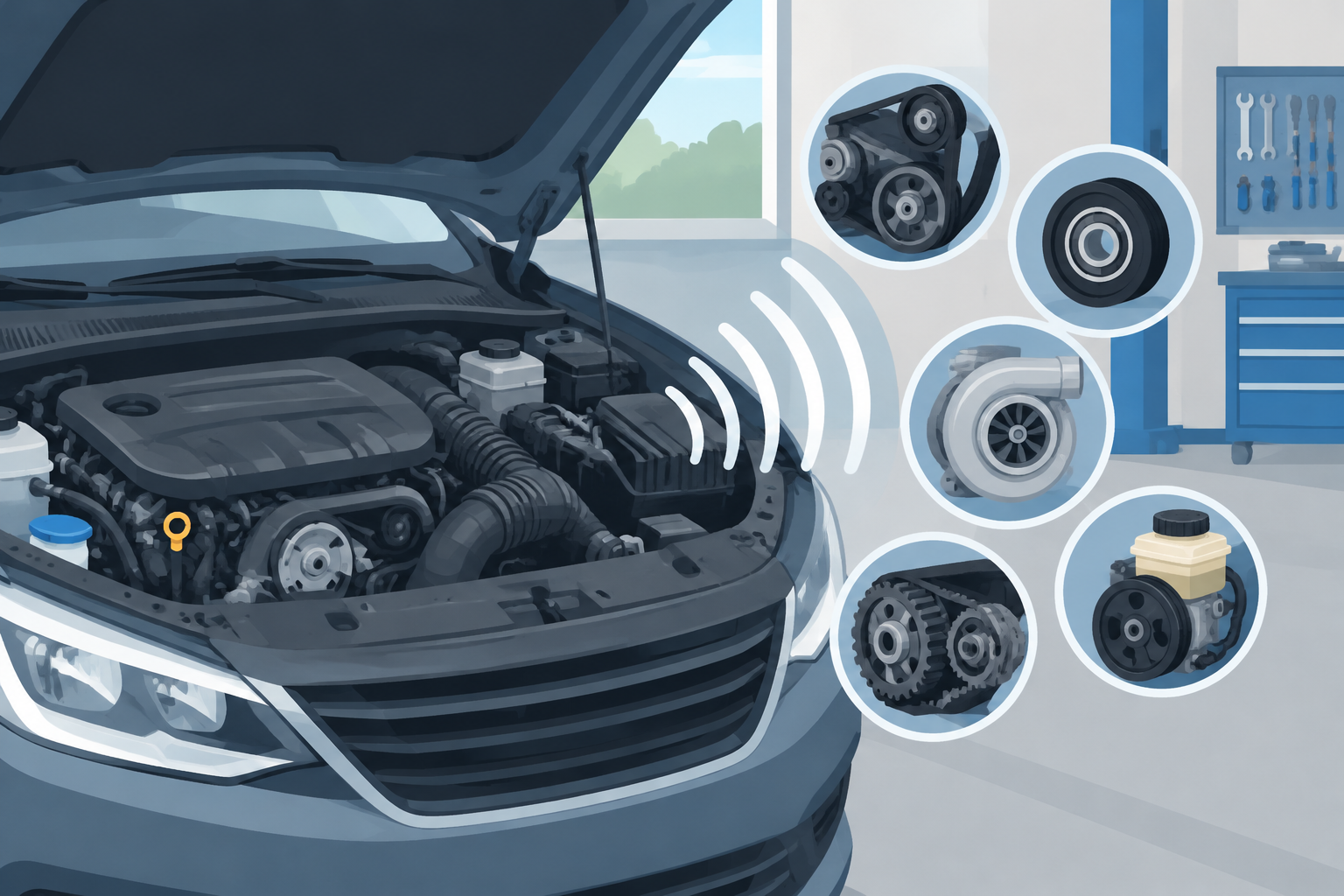
A belt, pulley, alternator bearing, or other engine accessory can whine as engine speed rises. A belt problem can also sound like a squeal, and turning on the air conditioning may change the noise. If the battery warning light comes on, the alternator may not be charging properly.
Transmission problems can cause a rising whine under acceleration. Low or degraded fluid, a worn pump, or internal wear are the usual suspects. Follow the owner’s manual for checking fluid. Some cars have no dipstick and need a specific temperature and procedure.
A whine that grows under acceleration and changes when you lift off the gas often comes from the differential or transmission. A mechanic can compare the sound under different loads, check the fluid, and look for leaks.
Whine while turning the steering wheel
On cars with hydraulic power steering, low fluid or a leak can make the pump whine, especially at low speed while turning. The owner’s manual lists the correct fluid and reservoir location. Look for wet spots under the car or around visible hoses, and keep hands and clothing away from moving parts.
Many newer vehicles use electric power steering and have no fluid to check. A whine or change in steering effort on one of these needs diagnosis of the electrical steering system. If the wheel suddenly becomes hard to turn, pull over safely and arrange help.
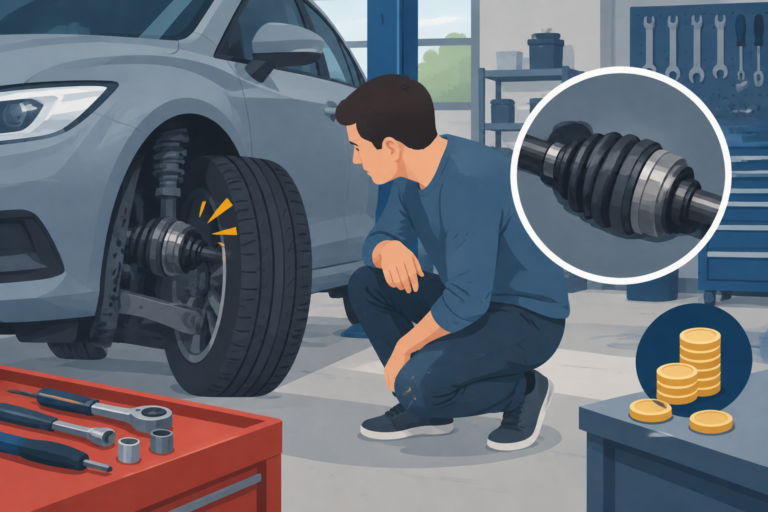
A clicking sound during a turn points to other causes, such as a CV joint. See what a clicking noise when turning can mean.
Whine at idle or when the car is parked
If the sound occurs while parked and changes when you lightly raise engine speed, suspect an engine accessory, belt, or pulley. A failing alternator bearing can produce a steady high-pitched whir. Electrical loads such as headlights or the rear defroster may change an alternator-related sound.
With the engine off and cool, look for a visibly damaged belt, a fluid leak, or a loose battery connection. Keep your hands away from a running belt or fan, since a belt can catch fingers or clothing quickly.
Whine that follows road speed
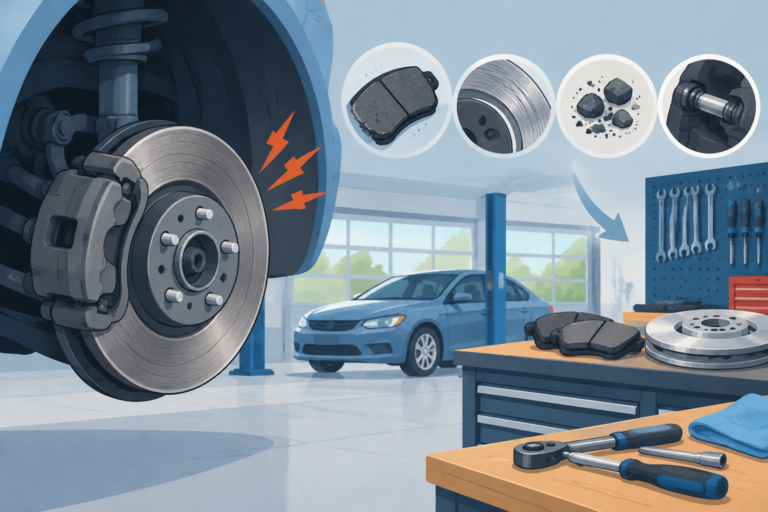
A wheel bearing can make a hum, growl, or whine that gets louder as the car speeds up. The sound often shifts when the car changes direction, because the load on each wheel changes. Uneven tire wear can create a steady road-speed hum too, so have the tires and bearings checked together.
A differential or transmission can also whine at speed. Noting whether the sound changes between accelerating and coasting helps a mechanic isolate it. If the car also shakes at highway speed, review common causes of highway-speed vibration.

Safe checks you can do before a shop visit
-
Write down the conditions. Note whether the car was cold or warm, parked or moving, turning or going straight, and accelerating or coasting. Include any warning lights or changes in steering and shifting.
-
Look for visible leaks with the engine off. Check the ground where you park. Look under the hood only for leaks that are easy to see. Do not touch hot parts or get under a car held up only by a jack.
-
Check fluid levels only by the manual’s procedure. Use the specified fluid, since the wrong type or overfilling can cause damage. A low level usually means a leak that needs repair.
-
Note warning lights and other symptoms. A battery light, transmission warning, burning smell, slipping, or hard steering all raise the urgency. Tell the shop exactly when the sound appears and what changes it.
A transmission fluid service may be appropriate in some cases, but it will not fix worn internal parts. For an overview of what that service involves, read transmission fluid change costs.
When to stop driving
Pull over somewhere safe and shut off the engine if the whine suddenly gets loud, the steering turns heavy, or you smell burning. Also stop if the temperature gauge rises or a serious warning light appears. Arrange a tow if the car feels unsafe or the noise comes with grinding, strong vibration, or loss of control.
A mild, steady noise with normal steering, shifting, and temperature may allow a short drive to a repair shop. Keep speed and distance low, and skip long trips until the cause is found. If the sound worsens on the way, pull over and call for help.
What repair might cost
Costs depend on the vehicle, the failed part, and local labor rates. Treat the figures below as rough ranges. The shop should confirm the cause before replacing any parts.
-
Power-steering leak or fluid service: a basic fluid service may cost around $100 to $200, while hose, pump, or rack repairs cost considerably more.
-
Alternator: replacement often falls around $400 to $1,000 for parts and labor, depending on the car and how easily the part can be reached.
-
Wheel bearing: a single bearing repair often runs about $300 to $700 for parts and labor, and vehicle design affects the price.
-
Transmission or differential: a fluid service costs far less than internal repairs. Internal work varies widely, so get a written diagnosis and estimate before approving it.
Ask the shop to say whether the sound follows engine speed or road speed, show any leak or damaged part, and explain which test supports the diagnosis. If the repair involves transmission fluid, ask which fluid specification and service procedure the vehicle requires.
Frequently asked questions
Can I drive with a whining noise when accelerating?
Often yes, if the sound is mild and the car steers, shifts, and runs at a normal temperature. Keep the trip short and book an inspection. Stop if the noise grows, the steering gets hard, a warning light appears, or you notice burning or grinding.
Can low power-steering fluid cause a whine?
Yes. On vehicles with hydraulic power steering, low fluid can make the pump whine, especially during turns. Check the manual for the right fluid and procedure, and have any leak inspected. Electric power steering has no fluid reservoir.
How can I tell a wheel-bearing whine from an engine whine?
A wheel-bearing sound usually follows vehicle speed and can change as the car turns. An engine-related sound tends to follow engine speed and can be heard while parked. A mechanic can road-test the car and inspect the wheels to confirm.
Will changing transmission fluid stop the noise?
It can help when the noise comes from low or degraded fluid and the owner’s manual supports a fluid change. It will not repair worn internal parts. Have the level and condition checked before approving any work.
Bring your notes on timing and driving conditions to the appointment, since they often shorten the diagnosis.
This guide is general information. For safety-critical repairs, have your vehicle inspected by a certified mechanic.